The environmental restoration activities at Travis AFB started with investigations that identified the following site conditions:
- Soils at Travis AFB have been impacted by past disposal practices. The primary contaminants detected in the surface and subsurface soil were Total Petroleum Hydrocarbons (TPH), metals, polycyclic aromatic hydrocarbons (PAHs), and pesticides.
- Surface water in the storm sewers and Union Creek had been impacted by past discharges. The primary surface water contaminant is trichloroethene (TCE).
- Organic compounds from past disposal practices have impacted groundwater. The primary groundwater contaminants are TCE, benzene, pesticides, 1,2-dichloroethane (DCA), 1,1-dichloroethene (DCE), and chlorobenzene. These contaminants are distributed in several individual source areas rather than one major source area.
- The groundwater beneath Travis AFB is located about 10 to 15 feet below ground surface in primarily low permeable silt and clay. The groundwater is not used to supply water to the base but does flow toward nearby off-base areas where it could be used for domestic and stock watering purposes.
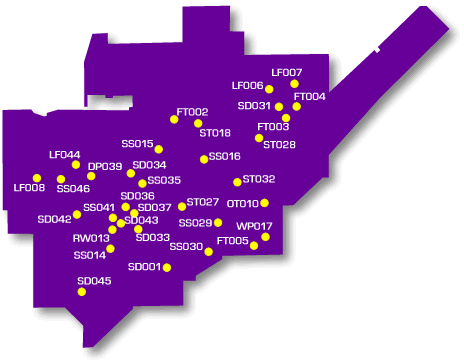
Locations of the Travis AFB sites are shown in the above figure. Each site has been given a name within the Air Force's Environmental Restoration Program (ERP) that is used for tracking progress.
The Air Force has released the Proposed Plan detailing the preferred alternatives for environmental restoration and remediation activities at Sites FT004 and SD034. Community members and stakeholders are encouraged to review the document to understand the proposed actions and the rationale behind them.
Find the latest The Guardian newsletter here.